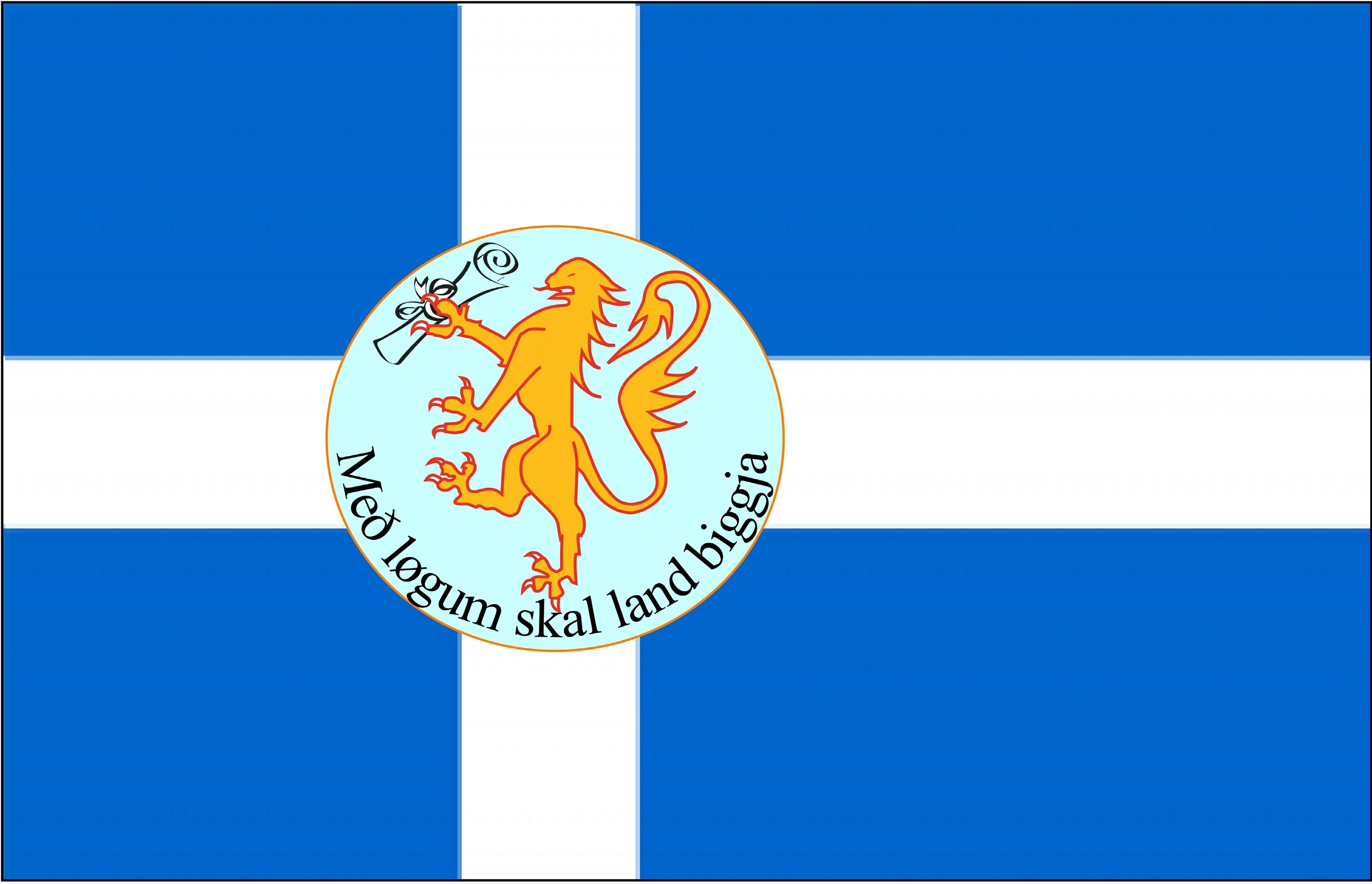
A question before autonomy
Calls for “more autonomy” are now a familiar feature of political debate in Shetland. Across parties, voters are told that greater powers can be secured by sending representatives to Holyrood to argue Shetland’s case among other MSPs — and by sending MPs to Westminster to make the argument there. What is never asked, however, is a more basic question: do those being asked for autonomy actually hold the authority being sought?
Autonomy presupposes a settled and lawful basis of authority from which powers may be devolved, shared, or withheld. If that authority rests on assumption rather than demonstrated title, then negotiations about autonomy risk proceeding on an unexamined foundation. In that situation, the critical starting point is not how much autonomy can be granted, but on what basis authority is exercised at all.
Until that prior question is addressed openly, promises of greater autonomy — however sincerely made — ask the public to accept outcomes without first examining whether the powers in question exist to be given. And when that question is never asked, it is often because asking it would require admitting the possibility that something other than the status quo could exist.
Why Shetland’s position is different
Shetland’s position within the United Kingdom has always been unusual. Its legal history, land tenure, and constitutional treatment differ in important respects from those of mainland Scotland. These differences are not abstract: they go directly to questions of title, jurisdiction, and lawful authority.
For that reason, debates framed purely in terms of devolution or delegated powers risk missing what is distinctive about Shetland’s situation. Where authority is assumed to flow downward from a settled centre, autonomy may be a matter of negotiation. Where the basis of authority itself is unclear or unexamined, the more responsible course is first to establish clarity.
This is not an argument for separation, nor a claim to governmental power. It is an argument for sequence: understanding must come before negotiation.
A responsibility recognised
In the preface, Lord Kilbrandon made clear that the responsibility for choosing Shetland’s future arrangements did not lie with experts, institutions, or governments elsewhere, but with the people of Shetland themselves.
He wrote that the purpose of the report was not to give advice or opinions on the desirability of any particular model, and that to do so would be to usurp the responsibilities of the people of Shetland. Instead, the task was to set out possibilities so that the people could decide for themselves, having examined the advantages and consequences of different approaches.
Opportunity, not abstraction
What follows from this is not a demand, but an opportunity.
Few communities are in a position to ask foundational questions about authority, jurisdiction, and consent without first having to assert power or provoke conflict. Shetland is unusual in that regard. Its history and legal position allow space for careful examination before conclusions are drawn.
Shetland First exists to help make that examination possible — calmly, openly, and without presuming outcomes. The aim is not to replace one set of answers with another, but to ensure that when choices are made, they are made with clarity about the ground on which they rest.
In that sense, the question is not whether Shetland should have more autonomy, but whether the conversation about autonomy has yet begun in the right place.