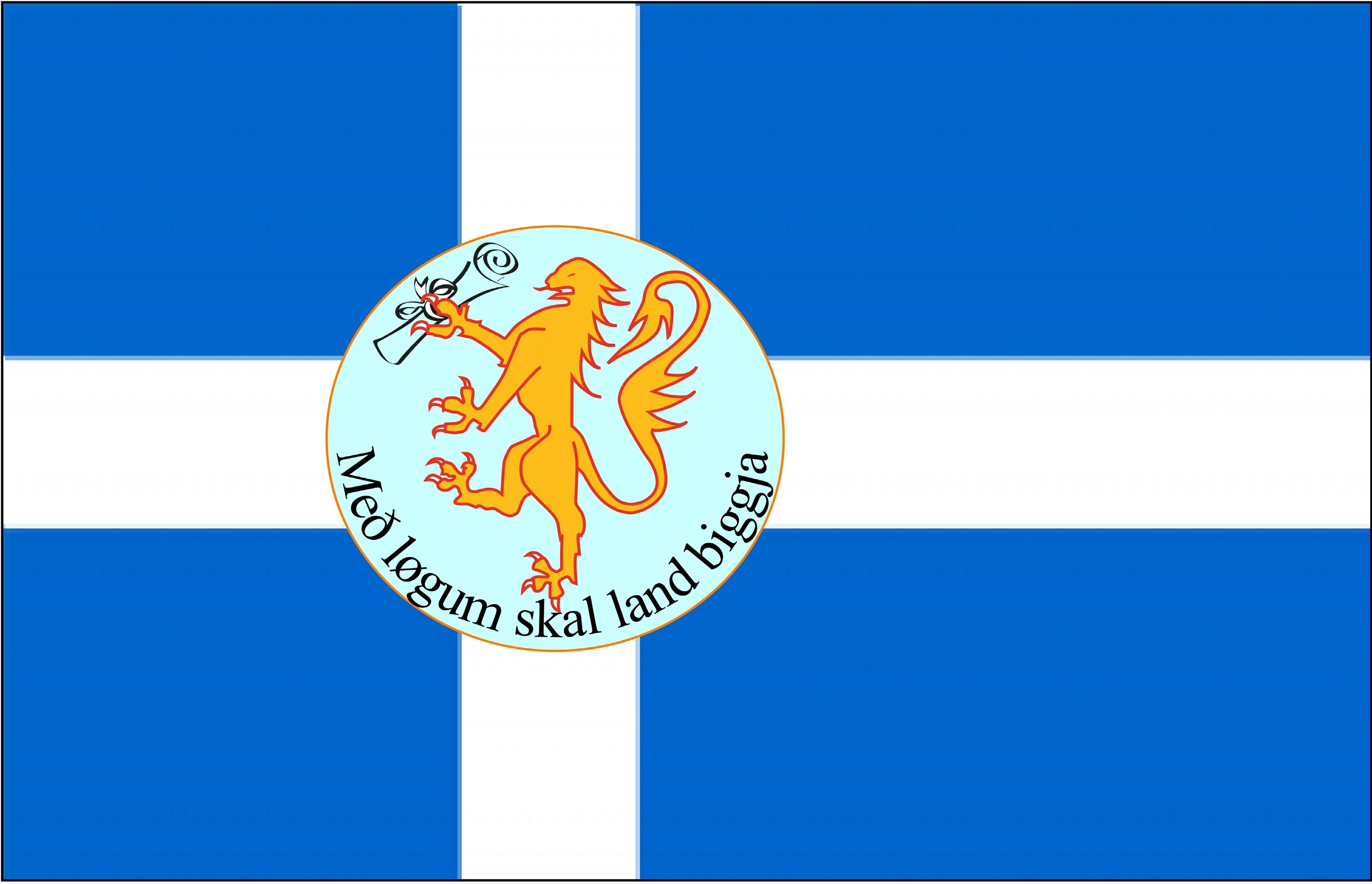
Options, models, and democratic choice
This section revisits Shetland’s constitutional options in a calm, practical way. It does not declare an outcome. It does not claim authority. It exists so that people can see the available models, understand the trade-offs, and recognise what has changed since the original work was commissioned.
Starting point: in 1978 the Shetland Islands Council commissioned a constitutional study that presented nine models for Shetland. It stated that choosing between models was a responsibility that belonged to the people of Shetland.
1) The Nine Models
A plain-language summary of the nine models set out in the 1978 report — from the status quo to full independence.
Useful if you want the “menu” of options first, without argument.
2) What has changed since 1978?
Devolution, Brexit, seabed leasing, and the scale of offshore energy have changed the context dramatically.
This page will set out the key changes in plain terms, with sources where available.
3) Questions any model must answer
Whatever model people prefer, certain practical questions must be faced: land/sea governance, fisheries, revenue, courts, services, and external relations.
This is a checklist page — not a persuasion page.
4) What would a legitimate choice process look like?
If the models are real, the public also needs clarity on what a fair, informed, and legitimate decision process could look like today.
This will focus on process integrity: transparency, sequencing, and consent.
Keep it calm
The purpose of this section is preparation and public understanding — not slogans. If a model is good, it should withstand calm scrutiny. If it is weak, people deserve to see why.
Where evidence is needed, Shetland First links to TSNS rather than maintaining a separate evidence base.